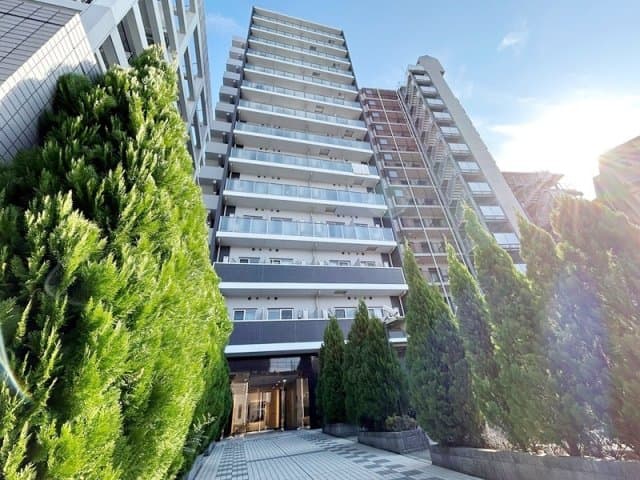
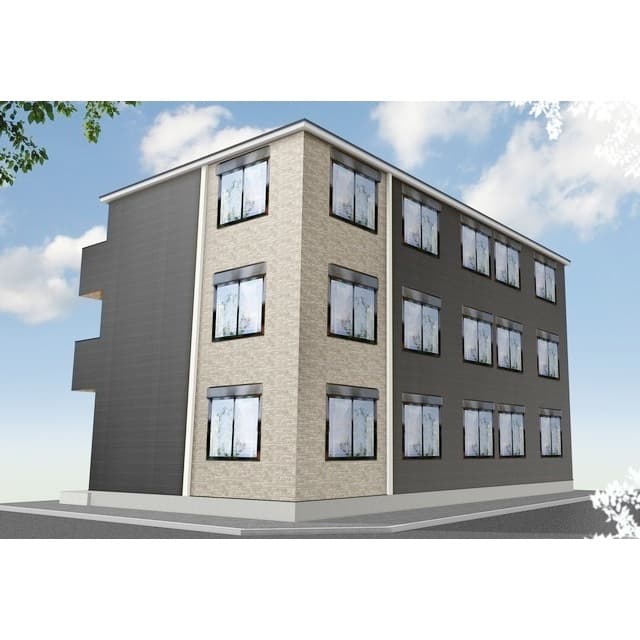
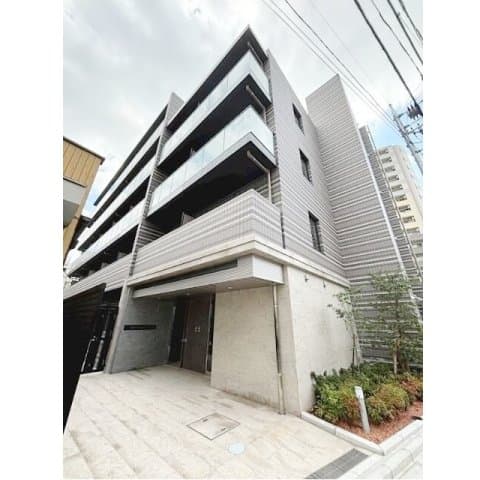
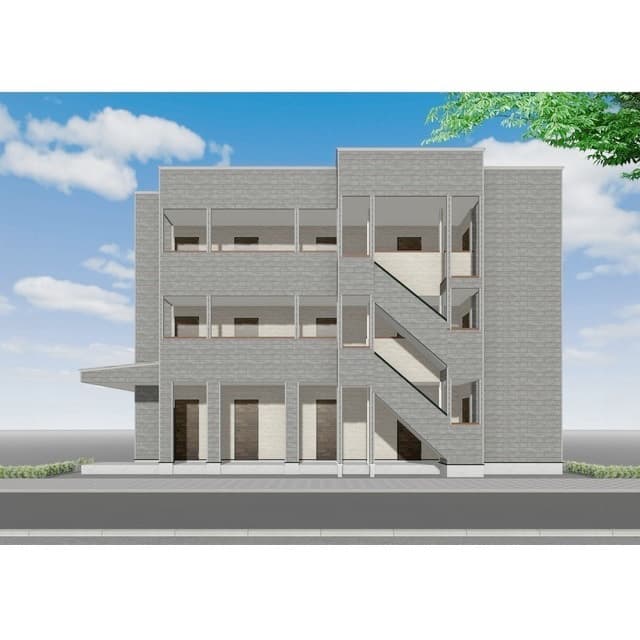
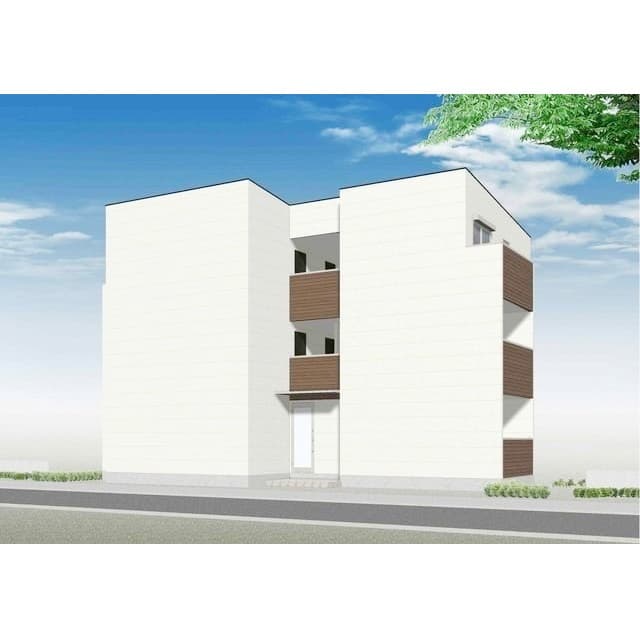
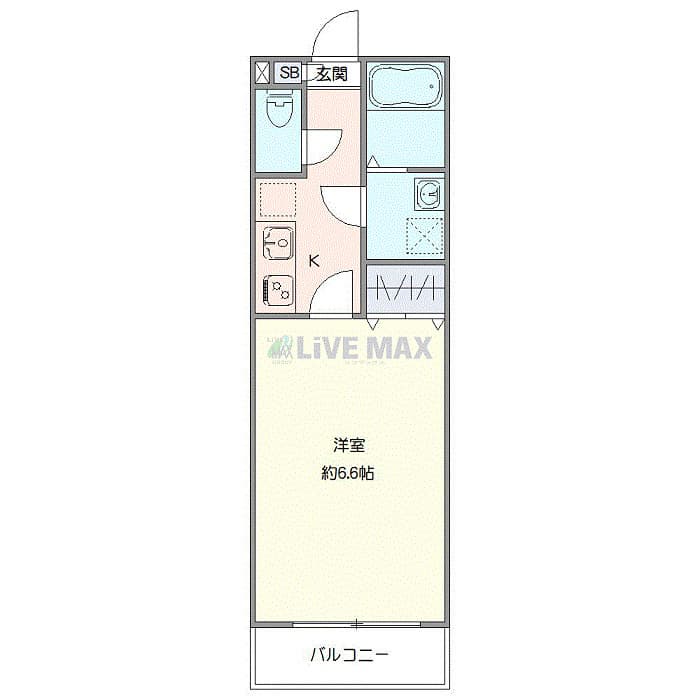
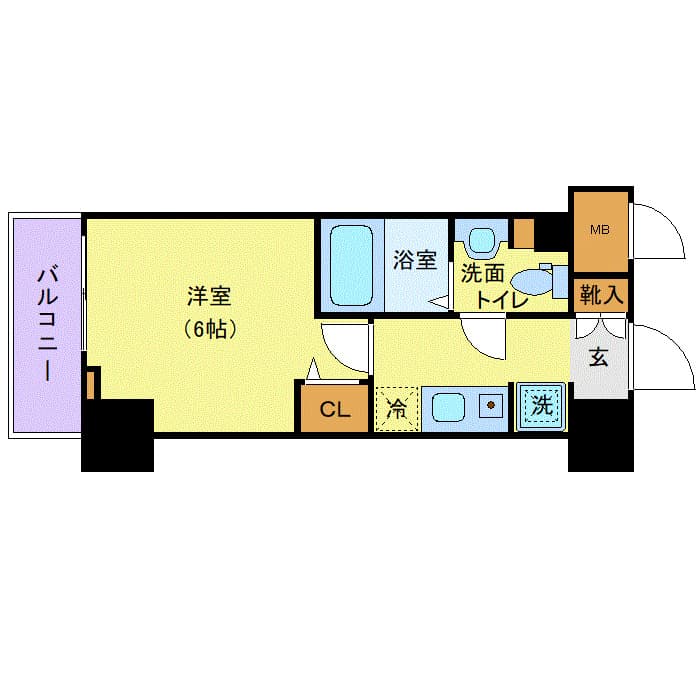
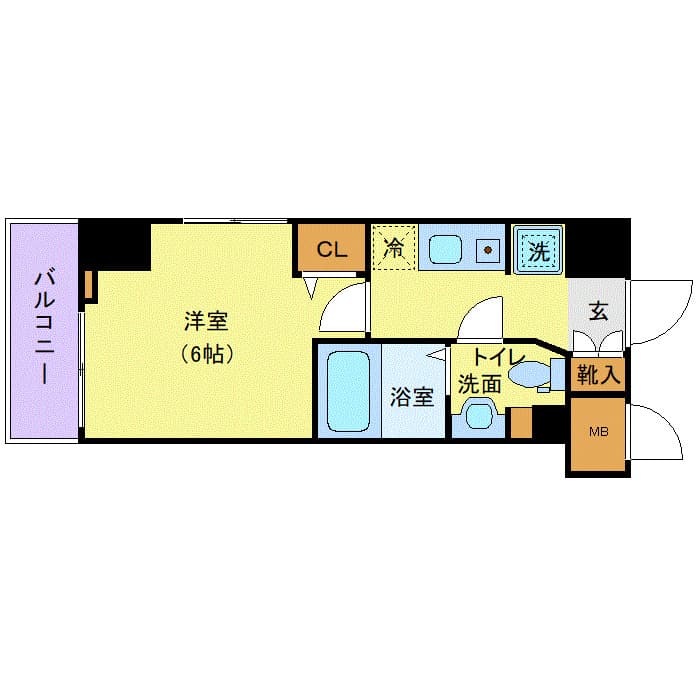
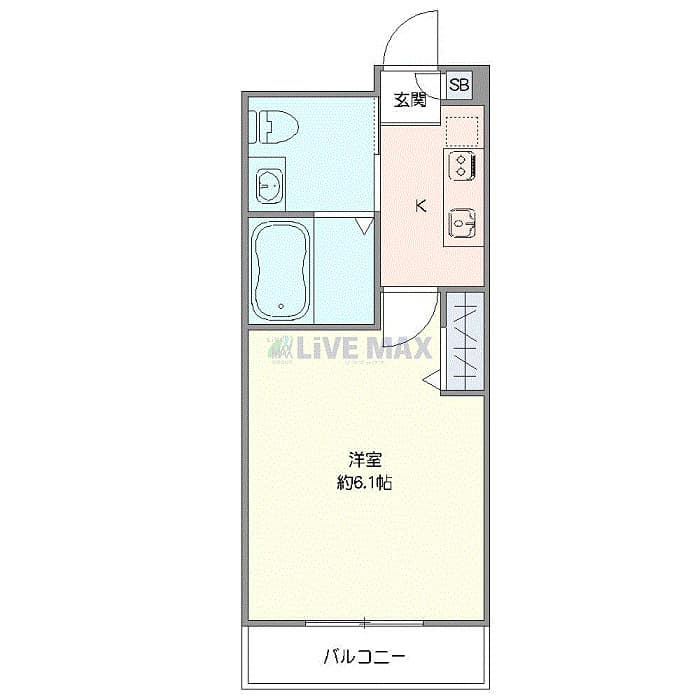
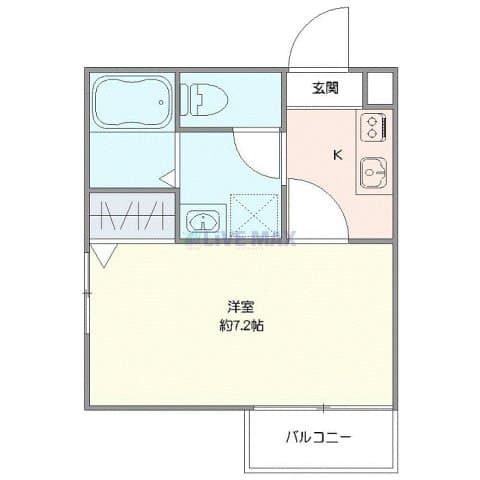
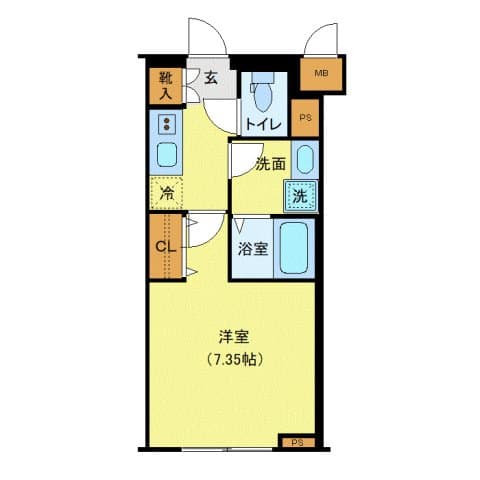
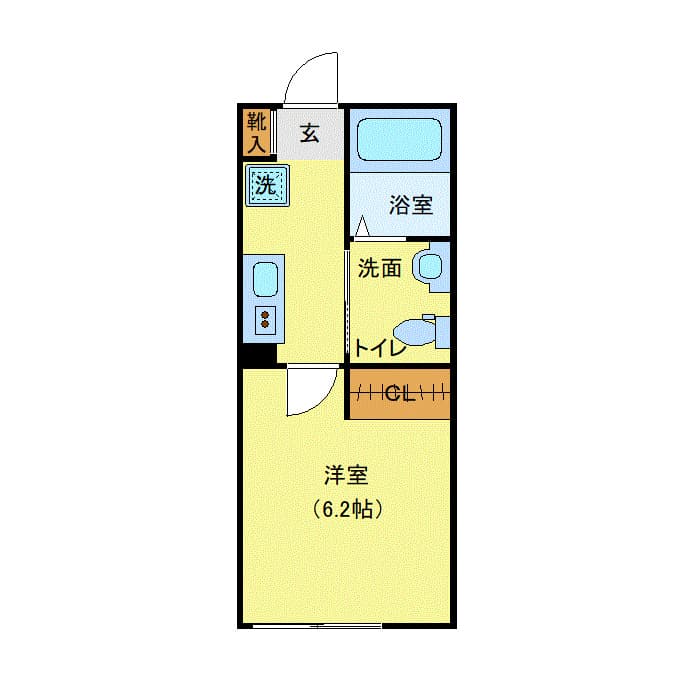
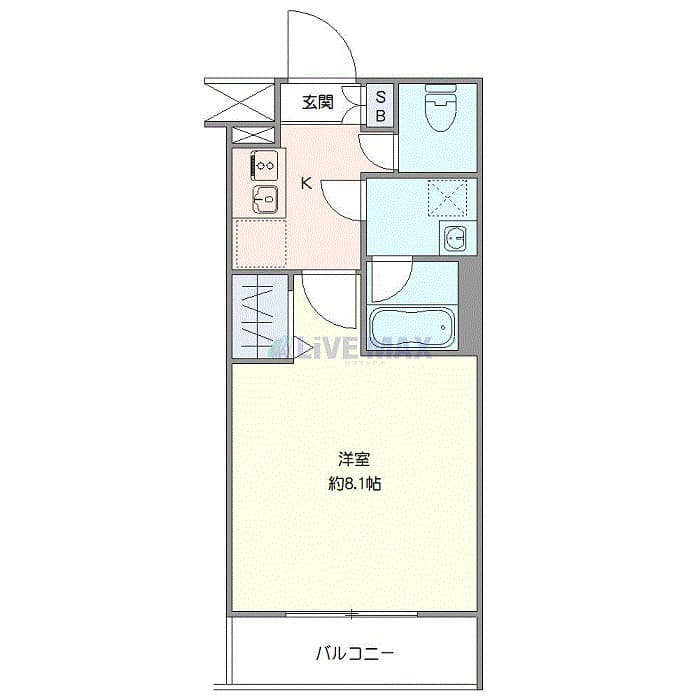
Foreigner-Friendly Apartments for Rent in Saitama
Approx. 290,000Foreign residents in Saitama (5th in Japan)
5thRank among Japan's prefectures
+10.9%Year-on-year growth
Saitama Prefecture is home to approximately 290,000 foreign residents, the fifth largest population in Japan. Growth has stayed in double digits at 10.9% year on year. With the Keihin-Tohoku and Saikyo lines running straight into central Tokyo while rent stays far lower, Saitama offers some of the best value in the greater Tokyo area. Multinational communities have taken root in the south of the prefecture, starting with the Chinese community in Kawaguchi.
Best-Estate.jp is a rental site dedicated to foreign residents, available in seven languages: Japanese, English, Chinese (Simplified and Traditional), Korean, Vietnamese and Portuguese. We list properties across major areas including Kawaguchi, Omiya, Urawa, Warabi, Koshigaya and Tokorozawa, and GTN (Global Trust Networks) supports you all the way — from arranging a guarantor company to signing your contract remotely before you arrive in Japan.
Source: Immigration Services Agency of Japan, "Number of Foreign Residents in Japan" (as of the end of 2025)
Average Rent in Saitama for Foreigner-Friendly Apartments
Rent for foreigner-friendly rentals in Saitama Prefecture varies by area as follows.
| Layout | Central | Inner suburbs | Outer suburbs |
|---|
| 1R / 1K | ¥70,000–75,000 | ¥55,000–65,000 | ¥45,000–50,000 |
|---|
| 1LDK | ¥80,000–100,000 | ¥65,000–85,000 | ¥55,000–70,000 |
|---|
| 2LDK | ¥105,000–130,000 | ¥85,000–105,000 | ¥70,000–85,000 |
|---|
| 3LDK | ¥130,000–180,000 | ¥105,000–145,000 | ¥85,000–120,000 |
|---|
Figures are a guide only. Actual rent varies with building age, distance from the station and facilities.
Compiled by Best-Estate.jp from at home co., ltd., "Rent Trends for Rental Apartments in Japan's Major Cities" (June 2026) and the Japan Property Management Association, "Trends in Average Rent by Layout" (July 2026 survey).
Search central Saitama by ward
Search the inner suburbs by ward
Search the outer suburbs by city
8 Best Areas in Saitama for Foreign Residents
KawaguchiA hub for the Chinese community
Direct access to Ueno and Tokyo on the Keihin-Tohoku Line. One of the largest Chinese communities in Japan is based here, with plenty of shops and services available in your own language. The balance of Tokyo access and rent is among the best in the greater Tokyo area.
Warabi & Nishi-KawaguchiA multinational town
An area with residents of many nationalities, and restaurants and grocery stores to match. Rent is among the lowest in the prefecture, which makes it a common first home for people who have recently arrived in Japan.
OmiyaA northern gateway with Shinkansen access
A Tohoku and Joetsu Shinkansen stop where JR lines, Tobu and the New Shuttle all meet. It has the largest concentration of shopping in the prefecture and suits frequent business travelers and those commuting to the north.
UrawaA district known for education
A quiet residential area in the prefectural capital, known for its schools. The Ueno-Tokyo and Shonan-Shinjuku lines run directly into central Tokyo, making it popular with families.
Minami-Koshigaya & Shin-KoshigayaA Musashino and Tobu interchange
Where the Musashino Line meets the Tobu Skytree Line, giving easy access both to central Tokyo and towards Chiba. The Lake Town area nearby is well supplied with shopping.
SokaCentral Tokyo via the Skytree Line
Direct access to Kita-senju and central Tokyo on the Tobu Skytree Line. The shopping streets around the station are well developed and affordable studio apartments are plentiful.
TokorozawaA key city on the Seibu lines
Served by the Seibu Ikebukuro and Shinjuku lines, putting Ikebukuro and Takadanobaba within 30 minutes. Redevelopment around the station has improved shopping, and rent stays low for a Tokyo commute.
KawagoeWhere tourism and daily life meet
A key city that doubles as a tourist destination, known as "Little Edo". Three lines are available — the Tobu Tojo, JR Kawagoe and Seibu Shinjuku lines — and it is popular with people working in tourism.
Major Train Lines in Saitama
The lines most often chosen by foreign residents are the JR Keihin-Tohoku Line running directly to Ueno and Tokyo, the Saikyo and Shonan-Shinjuku lines for Shinjuku and Shibuya, and the Tobu Skytree and Seibu Ikebukuro lines into central Tokyo. You can check the nearest station and walking time for each property in the "Access" section of its detail page.
Types of Rental Housing in Japan for Foreigners
Rental housing in Japan comes in four types, and the best choice depends on how long you are staying, your budget and the services you need. BEST-ESTATE.JP lists only properties whose owners welcome foreign tenants, whichever type you choose.
← Scroll horizontally →
Standard rental
The most common type of apartment or mansion. Furniture and appliances are not provided, so you will need to buy everything yourself. Contracts usually run for two years.
Advantages
- The widest choice of areas and layouts, with the most listings
- Excellent value if you plan to stay long term
Disadvantages
- Initial costs such as deposit and key money can be high
- A joint guarantor or guarantor company is usually required
- Buying furniture and appliances takes time and money
Furnished rental
Properties that come with the essentials already installed — bed, desk, refrigerator, washing machine and so on. The appeal is being able to start your new life with nothing but a suitcase.
Advantages
- No cost or hassle of buying furniture
- Electricity, gas, water and internet are often included in the rent
- Short contracts (from one month) suit sudden changes of plan
Disadvantages
- Monthly rent is 1.3–1.5 times higher than a standard rental
- Little freedom to choose your own interior
Share house
You have your own private bedroom but share the living room, kitchen and bathroom with other residents. Popular with younger people and students looking for international exchange.
Advantages
- Low initial costs — many properties have no deposit or key money
- Furnished, with utilities and Wi-Fi often included in the rent
- An easy way to build a multinational community
Disadvantages
- Privacy is harder to protect
- You need to adapt to shared living, including rules for common areas
Serviced apartment
Premium rentals with hotel-style services. Cleaning, a concierge and a fitness gym are often available, and they are used mainly by corporate expatriates.
Advantages
- High-quality furniture and services
- Hotel comfort combined with the privacy of a home
- Highly flexible contract terms
Disadvantages
- Expensive — typically ¥150,000–300,000 per month
Details may vary depending on the property and contract terms.
Documents and Initial Costs for Renting in Japan
When a foreign national signs a rental contract in Japan, the two things to prepare in advance are initial costs of four to six months' rent and the required documents, including your residence card. Check the breakdown and the document list below so that your contract goes smoothly.
Breakdown of Initial Costs When Renting in Japan (example: ¥80,000 rent)
Estimated total initial cost
Approx. ¥158,000–458,000
For a property renting at ¥80,000 per month
| Item | Guide | Example (rent ¥80,000) |
|---|
| Deposit (shikikin)Held as security for repairs; partly refunded when you move out. | 0–1 month's rent (tax exempt) | ¥0–80,000 |
|---|
| Key money (reikin)A gratuity to the landlord; not refunded. | 0–1 month's rent (tax exempt) | ¥0–80,000 |
|---|
| Agency feeThe agent's commission; not refunded. | 1 month's rent + tax | ¥88,000 |
|---|
| Advance rentPro-rated rent for your move-in month plus the following month; not refunded. | 0–1 month's rent (tax exempt) | ¥0–80,000 |
|---|
| Guarantor feeThe guarantor company's fee; not refunded. | 0.5–1 month's rent (tax exempt) | ¥40,000–80,000 |
|---|
| Fire insuranceCompulsory insurance; not refunded. | ¥15,000–20,000 (tax exempt) | ¥15,000–20,000 |
|---|
| Lock replacementA security measure; not refunded. | ¥15,000–30,000 | ¥15,000–30,000 |
|---|
Deposit and key money may each run to two months for luxury or pet-friendly properties. The figures above assume a rent of ¥80,000. Agency fees may differ depending on the agent and the contract terms.
Documents Required to Rent an Apartment in Japan
Documents required from all foreign nationals
- PassportAs proof of identity
- Residence cardAs proof of lawful residence
- Certificate of employmentIssued by your employer
- Proof of incomeFor example, three months of payslips
- Japanese bank accountFor rent payments by direct debit
For foreign nationals already working in Japan.
Additional documents for students
- Student ID
- Admission letter
- Proof of tuition payment
- Proof of financial support from a relative
- Scholarship award certificate (if applicable)
Other items to prepare
- Personal seal (inkan / hanko)Needed to stamp the contract; a signature is sometimes accepted instead
- Japanese mobile phone numberAs an emergency contact
- Emergency contactName, address and phone number of a family member, friend or colleague living in Japan
Rules on translations
- Notarised translations are recommended for important documents
- Some agents accept English versions
- Remember to include translation fees in your initial costs
Who Pays for Restoration When You Move Out
Understanding who bears the cost of restoring the property is important if you want to avoid trouble when you move out. The Civil Code revision of April 2020 made it explicit that tenants are not liable for normal wear and tear or deterioration over time.
Paid by the landlord
Marks and stains that arise from ordinary living (deterioration over time)
For example: sun-faded wallpaper, dents in the floor from furniture
Paid by the tenant
Damage or stains caused deliberately or through carelessness
For example: cigarette tar stains, nail holes in walls, drink stains
Liability is judged according to the Ministry of Land, Infrastructure, Transport and Tourism's "Guidelines on Restoration Disputes". If you are unsure, refer to these guidelines.
BEST-ESTATE.JP explains every required document in seven languages (Japanese, English, Chinese Simplified and Traditional, Korean, Vietnamese and Portuguese), so you can complete the process with confidence even if your Japanese is limited.
How to Rent Without a Guarantor in Japan: 3 Options
For foreign nationals with no relatives in Japan, finding a joint guarantor is one of the biggest hurdles. There are three main solutions.
What is a joint guarantor?
Under a lease, a joint guarantor is a person who bears the same liability as the tenant if the tenant fails to meet their contractual obligations, such as paying rent or repairing the building. It is a system defined in the Civil Code.
Scope of liability (all of the following)
- Unpaid rent
- Common service and management fees
- Renewal fees
- Restoration costs
- Damages (for equipment broken deliberately or through negligence)
- Penalties for breach of contract
A joint guarantor differs from an ordinary guarantor: the landlord or management company may demand payment directly from the joint guarantor before approaching the tenant.
1
Use a guarantor companyGuarantor Company
This is now the most common route. For a set fee, a guarantor company takes on the role of your joint guarantor. In recent years the great majority of properties require a guarantor company even for Japanese tenants. Many of these companies are experienced in screening foreign applicants, which makes this a realistic option.
- Cost guide: 0.5–1 month's rent in the first year (¥40,000–80,000 on a rent of ¥80,000), then an annual renewal fee of around ¥10,000
- Screening criteria: based on your residence status, income, employer and contact details
GTN (Global Trust Networks), which operates BEST-ESTATE.JP, has specialized in supporting foreign residents for 19 years and has assisted more than 700,000 people in total. It offers support in up to 25 languages and handles roughly 110,000 guarantee contracts a year.
2
Choose UR rental housingUR Urban Renaissance Agency
Public rental housing managed by the Urban Renaissance Agency. Its main advantage is that no key money, agency fee, renewal fee or joint guarantor is required. Foreign nationals can sign on the same terms as Japanese tenants.
Advantages
- Lower initial costs — only a two-month deposit
- Openly welcoming to foreign tenants
Disadvantages
- Allocated first come, first served, with few vacancies in popular areas
- Many units are more than a 10-minute walk from the station, and some buildings are older
Income requirement: for a single applicant, monthly income of at least four times the rent, or savings of at least 100 times the rent.
3
Look for properties that need no guarantor
They are limited in number, but some landlords require neither a joint guarantor nor a guarantor company. Agents specializing in foreign residents often hold listings of this kind.
- Characteristics: rent may be set slightly higher than for comparable properties
- Recommended if: you are worried about failing screening, want to avoid guarantor fees, or have just arrived in Japan with no income history here
BEST-ESTATE.JP lets you search all three options on a single site. If you need help, contact the GTN team through our property request form.
FAQ: Renting an Apartment in Saitama as a Foreigner
How can a foreigner rent a room in Saitama without a guarantor?
In Saitama, using a guarantor company is usually the smoothest option. Most listings on Best-Estate.jp can be covered by a GTN (Global Trust Networks) guarantee, so screening can proceed even if you have no relatives in Japan. UR rental housing is the next option to consider (the income standard is monthly income of at least four times the rent), followed by properties that require no guarantor at all.
How do I search for a property near a specific station in Saitama?
On Best-Estate.jp you select a ward or city first, then check the nearest station in the "Access" section of each property page. Use the links below to go from a station to the matching ward or city.
If you already know the station or line you want, you can name it directly in our property request form.
Which is easier to live in for foreigners, Saitama or Tokyo?
If rent is your top priority, Saitama is the stronger choice. Areas in the south such as Kawaguchi and Warabi are 20–30 minutes from central Tokyo by train, yet rent is often around 30% lower than in Tokyo, and communities where you can live in your own language have grown up here. The one thing to check is your commute time if your workplace is in the west or south of central Tokyo.
Are there furnished rental properties in Saitama?
Yes. Best-Estate.jp lists furnished properties mainly in central Saitama, with rent typically ¥80,000–95,000 for a 1K and ¥90,000–120,000 for a 1LDK. They are popular with short-staying researchers and expatriates, and let you start living from your first day in Japan. Contact us through the property request form for details.
Are there real estate agents in Saitama who provide service in English?
GTN (Global Trust Networks), which operates Best-Estate.jp, provides support in seven languages including English, Chinese (Simplified and Traditional), Korean, Vietnamese and Portuguese. We can assist in your own language from the first enquiry through to signing, entirely online.
I want to attend a university in Saitama. Which areas do you recommend?
Recommended areas by campus are as follows.
Where do I register my change of address in Saitama?
You must register your residence at the ward or city office for your new address within 14 days of moving in, and your new address will be written on the back of your residence card. Most municipalities run multilingual consultation desks for foreign residents, so ask about these when you go.
Apartments for Foreigners in Saitama by Property Type
Apartments for Foreigners in Saitama by Popular Condition