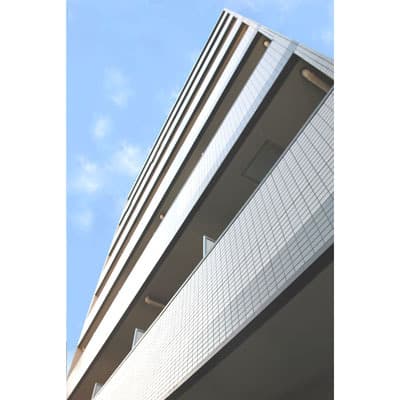
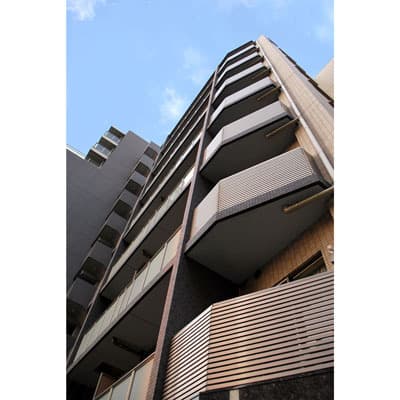
Rental housing in Japan comes in four main types, each suited to different stay lengths, budgets, and service needs. Every listing on BEST-ESTATE.JP — across all four categories — is from a landlord who welcomes foreign tenants.
The most common type of apartment or condominium in Japan.
Furniture and appliances are not included, so you'll need to buy them yourself.
Contracts typically run for 2 years.
Properties that come with the essentials — bed, desk, refrigerator, washing machine — already in place.
You can start your new life in Japan with just a suitcase.
Each tenant has a private bedroom, while the living room, kitchen, and bathroom are shared with other residents.
Popular with younger people and students who want to meet new people from around the world.
Upscale rentals that come with hotel-style services.
Many include housekeeping, concierge, and gym access, and they're often used by corporate expats.
※Conditions may vary by property and contract.
When signing a rental contract in Japan as a foreigner, two things matter most: budgeting for initial costs equal to 4–6 months' rent and preparing the right paperwork — especially your Residence Card.
Below is a breakdown of what to expect, so your contract can go through smoothly.
For an apartment with monthly rent of ¥80,000, total initial costs typically come to about ¥158,000–458,000.
The breakdown is as follows.
※Security deposit and key money may rise to 2 months' rent for high-end properties or pet-friendly units. The figures above assume monthly rent of ¥80,000. Agent fees may vary by agency and contract terms.
※The above applies to foreign residents already employed in Japan.
To avoid disputes at move-out, it's important to understand who is responsible for what under Japan's restoration rules.
As of the April 2020 Civil Code revision, tenants are not legally required to repair normal wear and tear or age-related deterioration.
Responsibility is determined based on the Ministry of Land, Infrastructure, Transport and Tourism's “Guidelines on Restoration Disputes.”
If you're unsure who bears a particular cost, refer to those guidelines.
BEST-ESTATE.JP provides documentation in all seven languages (Japanese, English, Chinese Simplified and Traditional, Korean, Vietnamese, and Portuguese), so you can complete your rental contract with confidence even with limited Japanese.
For foreign residents without family in Japan, finding a joint guarantor is often the biggest hurdle.
There are three main solutions.
In a rental agreement, the joint guarantor is the person who takes on the same legal obligations as the tenant (under Japan's Civil Code) if the tenant fails to pay rent or fulfill other contractual duties such as repairs.
A joint guarantor is different from a regular guarantor: the landlord or management company can demand payment directly from the joint guarantor without first contacting the tenant.
This is the most common option today.
A rent guarantor company takes on the role of joint guarantor in exchange for a fee.
Even Japanese tenants are now required by most properties to use one.
Many guarantor companies have experience screening foreign applicants, making this a practical choice.
UR rental properties are public housing managed by the Urban Renaissance Agency, an independent administrative agency.
The biggest advantages are that no key money, agent fees, renewal fees, or joint guarantor are required.
Foreign residents can sign contracts on the same terms as Japanese tenants.
Although limited in number, some properties don't require a joint guarantor or guarantor company, depending on the landlord's policy.
Real estate agencies specializing in foreign tenants often have access to listings like these.
BEST-ESTATE.JP lets you search all three options on a single site.
If you need help, submit the Apartment Search Request Form and a GTN staff member will assist you.
We use cookies to improve your experience on our website. By continuing to use our site, you agree to our use of cookies.
Kanagawa Kawasakishi Saiwai-ku 南加瀬1丁目
Yokosuka Line Shin-Kawasaki Walk18min
2002/ 7/

Kanagawa Kawasakishi Saiwai-ku 神明町2丁目19
Tokaido Line Kawasaki Walk16min
Nambu Line Shitte Walk16min
Nambu Line Yako Walk15min
1994/ 1/

Kanagawa Kawasakishi Saiwai-ku 北加瀬3丁目16-26
Tokyu Toyoko Line Motosumiyoshi Walk18min
Tokyu Toyoko Line Hiyoshi Walk19min
2014/ 9/
Kanagawa Kawasakishi Saiwai-ku 塚越1丁目
Nambu Line Kashimada Walk10min
Yokosuka Line Shin-Kawasaki Walk15min
2019/ 7/

Kanagawa Kawasakishi Saiwai-ku 南幸町3丁目96
Nambu Line Shitte Walk3min
Keihin-Tohoku Negishi Line Kawasaki Walk13min
2015/ 3/

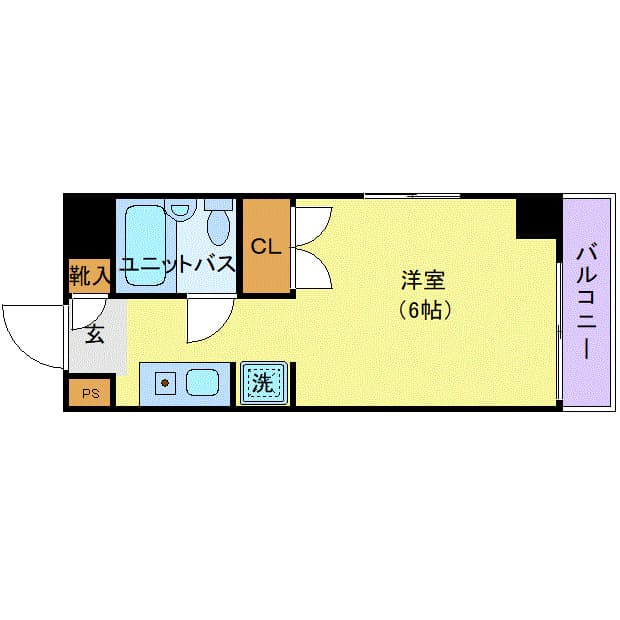
1K / 21.3㎡ / 3Floor

1K / 21.3㎡ / 3Floor

1K / 21.3㎡ / 2Floor
Kanagawa Kawasakishi Saiwai-ku 南加瀬4丁目
Yokosuka Line Shin-Kawasaki Walk22min
Tokyu Toyoko Line Hiyoshi Bus9min get off at 江川町 bus stop, 5 minutes on foot
1995/ 5/
1K / 20.12㎡ / 3Floor

Kanagawa Kawasakishi Saiwai-ku 南幸町1丁目
Tokaido Line Kawasaki Walk12min
Nambu Line Shitte Walk9min
2022/ 2/

1K / 20.47㎡ / 4Floor

Kanagawa Kawasakishi Saiwai-ku 古市場2-93-2
Nambu Line Kashimada Walk10min
Nambu Line Hirama Walk10min
Yokosuka Line Shin-Kawasaki Walk15min
2011/ 3/

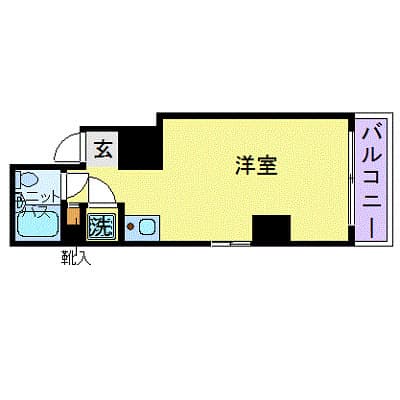
1R / 9.16㎡ / 1Floor
Kanagawa Kawasakishi Saiwai-ku 南加瀬1丁目
Yokosuka Line Shin-Kawasaki Walk20min
2009/ 10/
1K / 19.87㎡ / 2Floor
1K / 19.87㎡ / 1Floor

Kanagawa Kawasakishi Saiwai-ku 小向仲野町1-19
Tokyu Tamagawa Line Yaguchinowatashi Walk18min
Keikyu Line Rokugo-Dote Walk20min
1994/ 2/

1R / 14.7㎡ / 1Floor

Kanagawa Kawasakishi Saiwai-ku 中幸町1丁目41
Keihin-Tohoku Negishi Line Kawasaki Walk10min
Keikyu Line Keikyu Kawasaki Walk11min
2025/ 11/

1R / 20.71㎡ / 5Floor

Kanagawa Kawasakishi Saiwai-ku 南幸町3丁目(117)
Tokaido Line Kawasaki Walk13min
Nambu Line Shitte Walk1min
2026/ 9/

1LDK / 41.61㎡ / 2Floor
Kanagawa Kawasakishi Saiwai-ku 南加瀬1丁目
Yokosuka Line Shin-Kawasaki Walk18min
2005/ 5/
1K / 19.87㎡ / 1Floor

Kanagawa Kawasakishi Saiwai-ku 幸町1丁目780-2
Tokaido Line Kawasaki Walk4min
Keikyu Line Keikyu Kawasaki Walk6min
2019/ 9/

1R / 20.65㎡ / 2Floor

1R / 20.65㎡ / 2Floor